TPO vs EPDM Roofing Systems Explained for Businesses
TPO vs EPDM Roofing: What’s Better for Commercial Buildings?
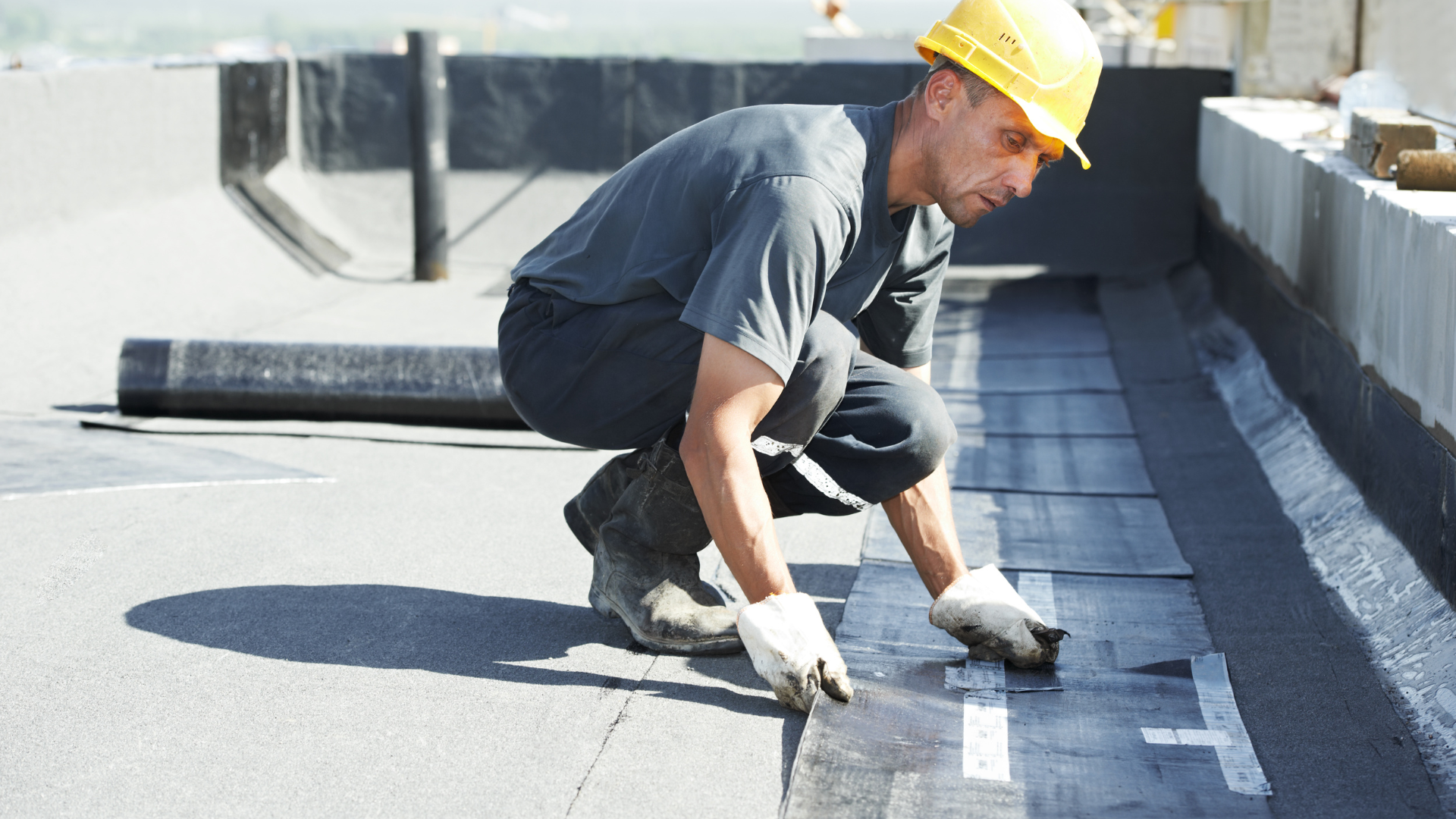
Commercial property owners in Greenwich, CT often face the same roofing decision when working with flat or low-slope buildings: should they go with TPO or EPDM roofing? Both are widely used membrane roofing systems, and both have strong reputations for durability and performance. But the differences between them can have a real impact on long-term maintenance, energy efficiency, and cost.
Choosing the wrong system can lead to higher repair needs, reduced efficiency, or premature roof replacement. On the other hand, selecting the right material for your building can improve performance and extend the life of your investment. Understanding how TPO and EPDM compare is the first step in making a smart, cost-effective decision for your property in Greenwich, CT.
What Is TPO Roofing and How Does It Work?
TPO roofing is a single-ply membrane roofing system commonly used on commercial flat roofing systems. It is known for its heat-reflective properties and energy efficiency, making it especially popular for buildings looking to reduce cooling costs.
Key Features of TPO Roofing Systems
TPO (Thermoplastic Polyolefin) is a white reflective membrane that helps reduce heat absorption. It is heat-welded at the seams, which creates strong, watertight bonds that resist leaks and weather damage. For many commercial property owners, this makes TPO a practical option for energy-conscious roofing upgrades.
Benefits of TPO for Commercial Buildings
One of the biggest advantages of TPO is energy efficiency. The reflective surface helps lower rooftop temperatures, which can reduce HVAC strain during warmer months. It is also lightweight, cost-effective, and relatively easy to install on large commercial roofs.
What Is EPDM Roofing and Why Is It Still Popular?
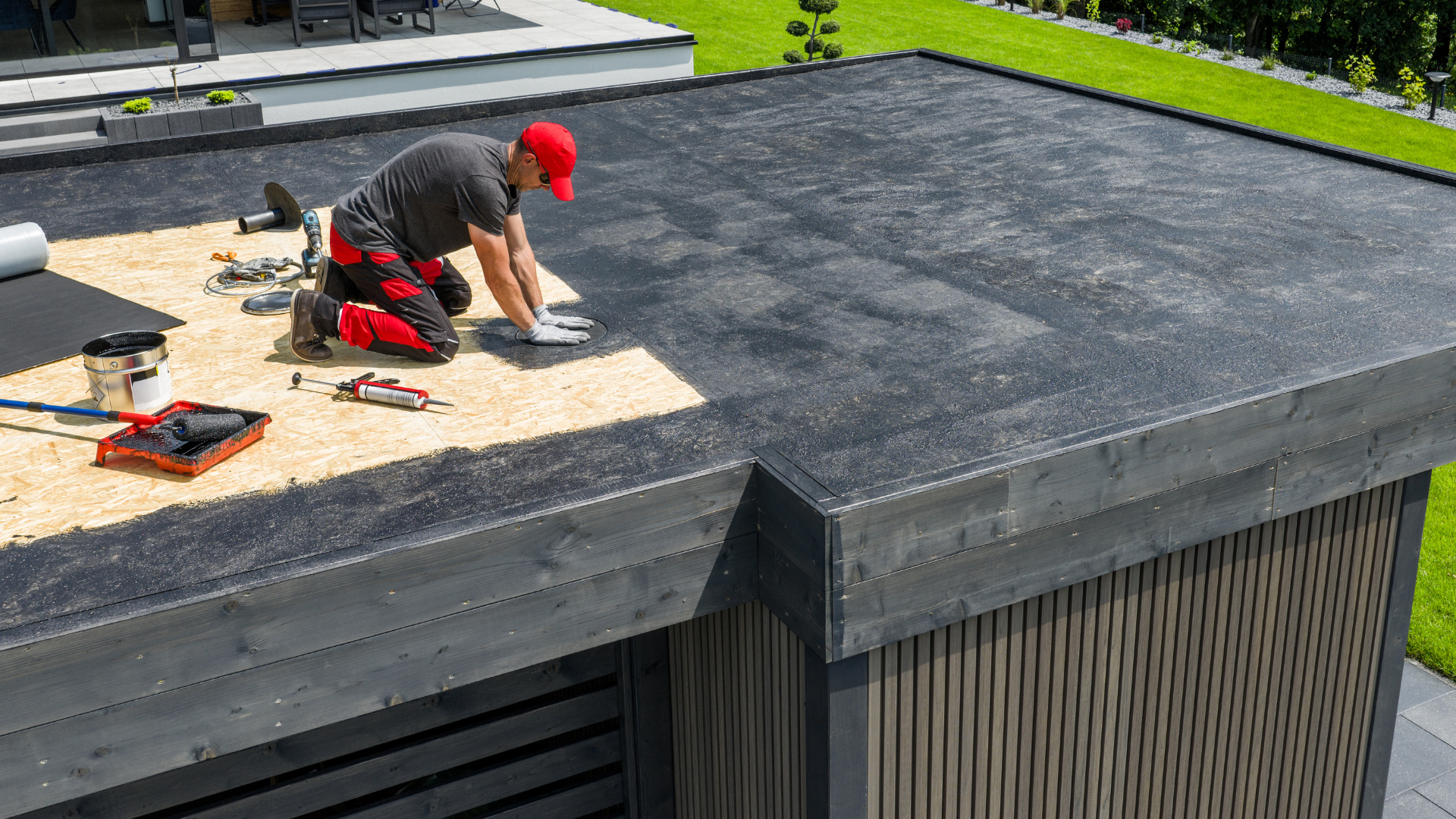
EPDM roofing (Ethylene Propylene Diene Monomer) is a synthetic rubber membrane that has been used in flat roofing systems for decades. It is known for its durability and flexibility, especially in colder climates like Greenwich, CT.
Key Features of EPDM Roofing Installation
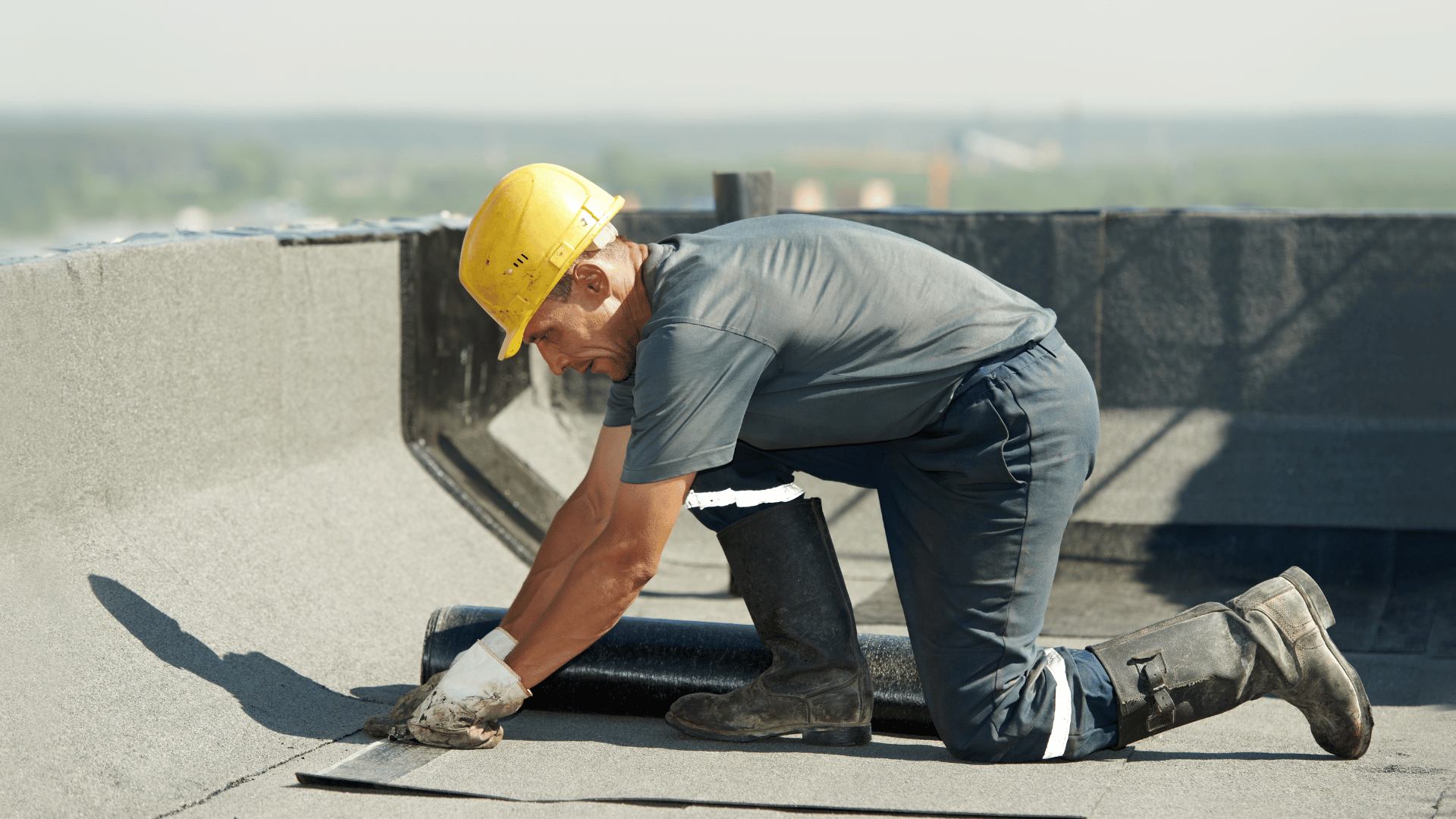
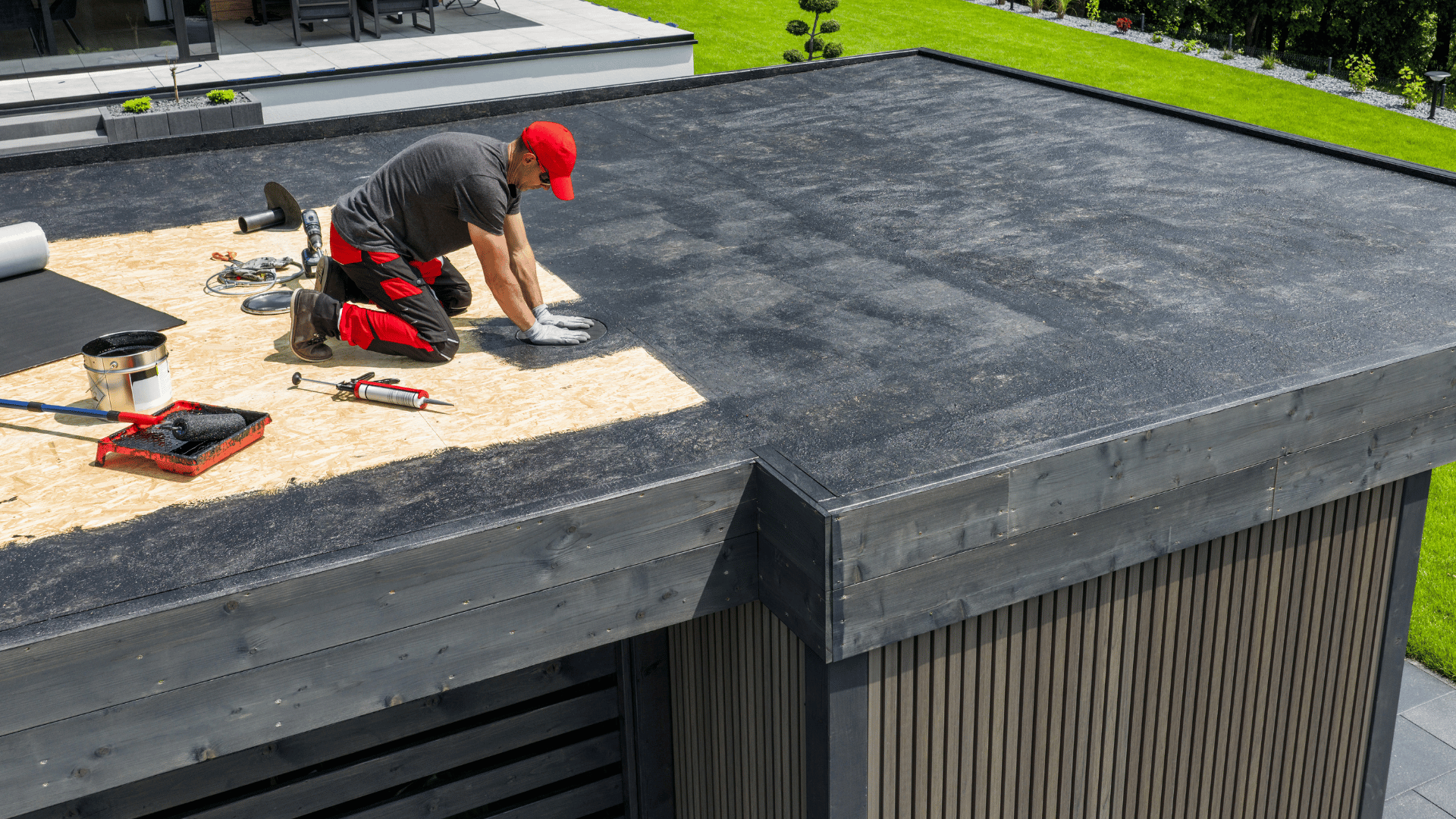
EPDM membranes are typically black and absorb heat rather than reflect it. They are installed using adhesive or mechanical fastening systems, and their flexibility allows them to expand and contract with temperature changes without cracking.
Benefits of EPDM Roofing Systems
EPDM is highly resistant to UV damage, weathering, and thermal shock. It performs well in freezing temperatures, which makes it a reliable choice for long-term roof durability. Many commercial property owners also appreciate its lower upfront installation cost compared to other flat roofing systems.
TPO vs EPDM Roofing: How Do They Compare?
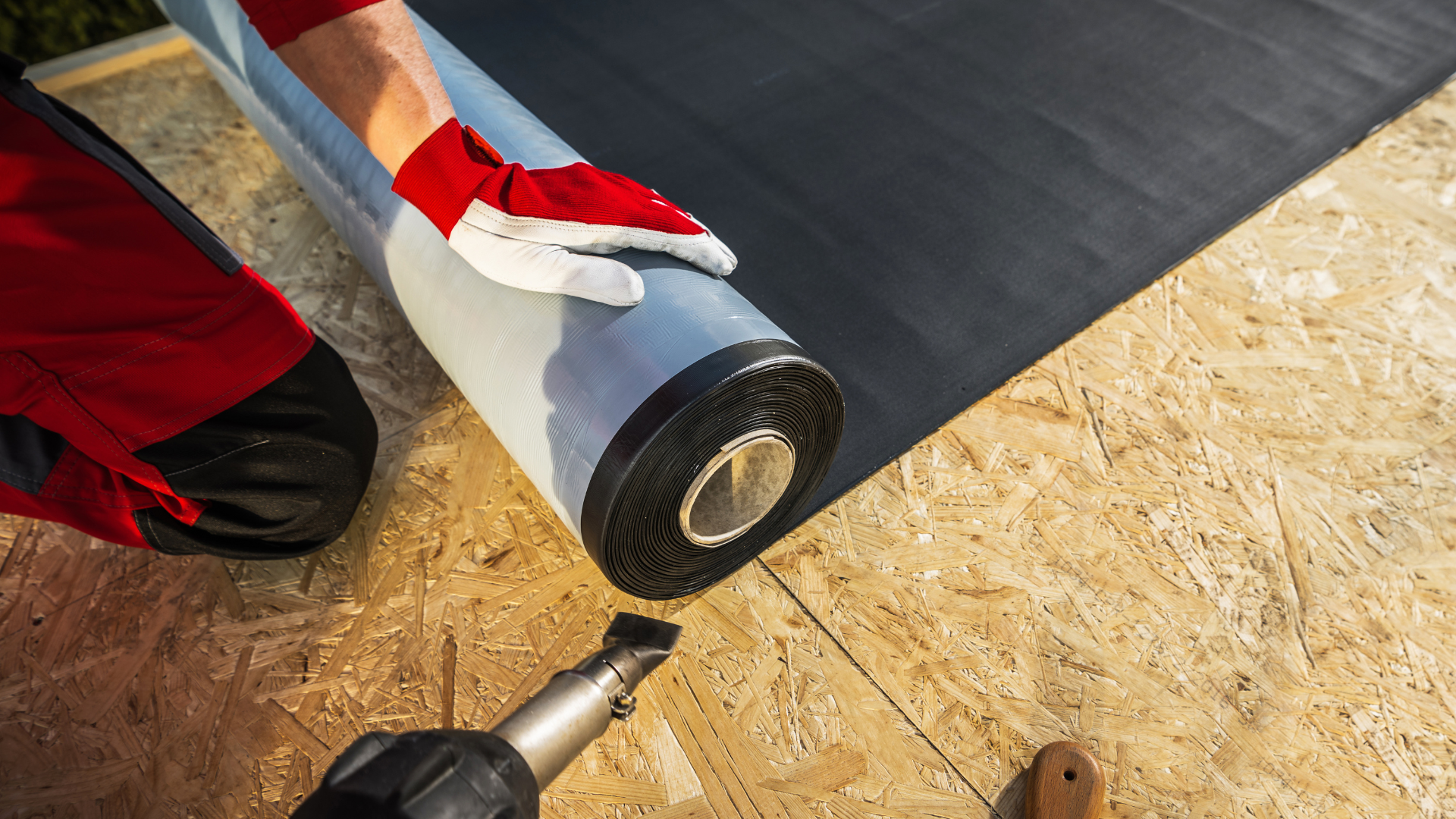
When comparing TPO vs EPDM roofing, the decision often comes down to climate, energy goals, and budget. Both are strong membrane roofing systems, but they perform differently under certain conditions.
Energy Efficiency and Temperature Control
TPO reflects sunlight, which helps reduce cooling costs during hot seasons. EPDM absorbs heat, which can be beneficial in colder months but may increase cooling demand in summer. For energy-efficient roofing goals, TPO often has the advantage.
Durability and Weather Resistance
EPDM is known for its long-term flexibility and resistance to harsh winter conditions. TPO, while durable, is newer and can vary in performance depending on product quality and installation. In Greenwich, CT, both can perform well when installed correctly, but EPDM has a longer track record.
Cost and Maintenance Differences
EPDM typically has a lower upfront cost, making it attractive for budget-conscious commercial roofing projects. TPO may cost more initially but can offer savings through improved energy efficiency. Maintenance needs for both systems are relatively low, especially when installed by a flat roofing specialist.
Which Roofing System Is Best for Commercial Properties?
There is no one-size-fits-all answer when choosing between TPO and EPDM. The right option depends on your building’s usage, energy goals, and long-term maintenance expectations.
If your priority is lowering energy bills and improving reflectivity, TPO roofing systems are often the better fit. If you are focused on durability, flexibility, and proven long-term performance, EPDM roofing installation may be the smarter choice.
A professional evaluation is the best way to determine which system aligns with your commercial roofing needs in Greenwich, CT.
Local Relevance: Flat Roofing in Greenwich, CT
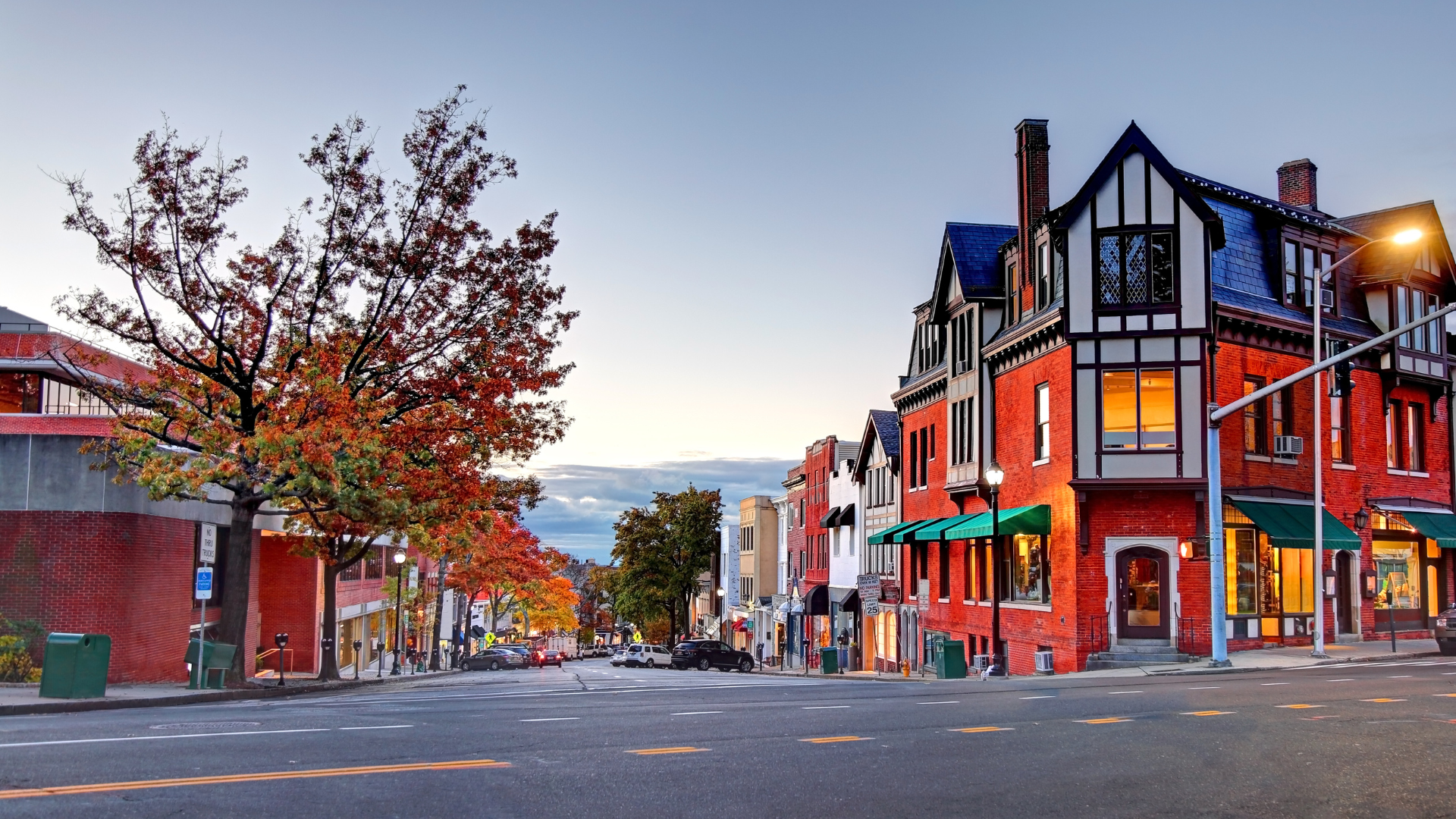
Commercial buildings in Greenwich, CT experience a mix of seasonal temperature swings, coastal weather exposure, and heavy precipitation throughout the year. These conditions make choosing the right flat roofing system especially important. Both TPO and EPDM are commonly used in the area, but proper installation and maintenance are what truly determine long-term performance.
Working with a roofing contractor who understands local weather patterns ensures your membrane roofing system is built to handle Connecticut’s changing conditions.
Get Expert Roofing Advice for Your Property
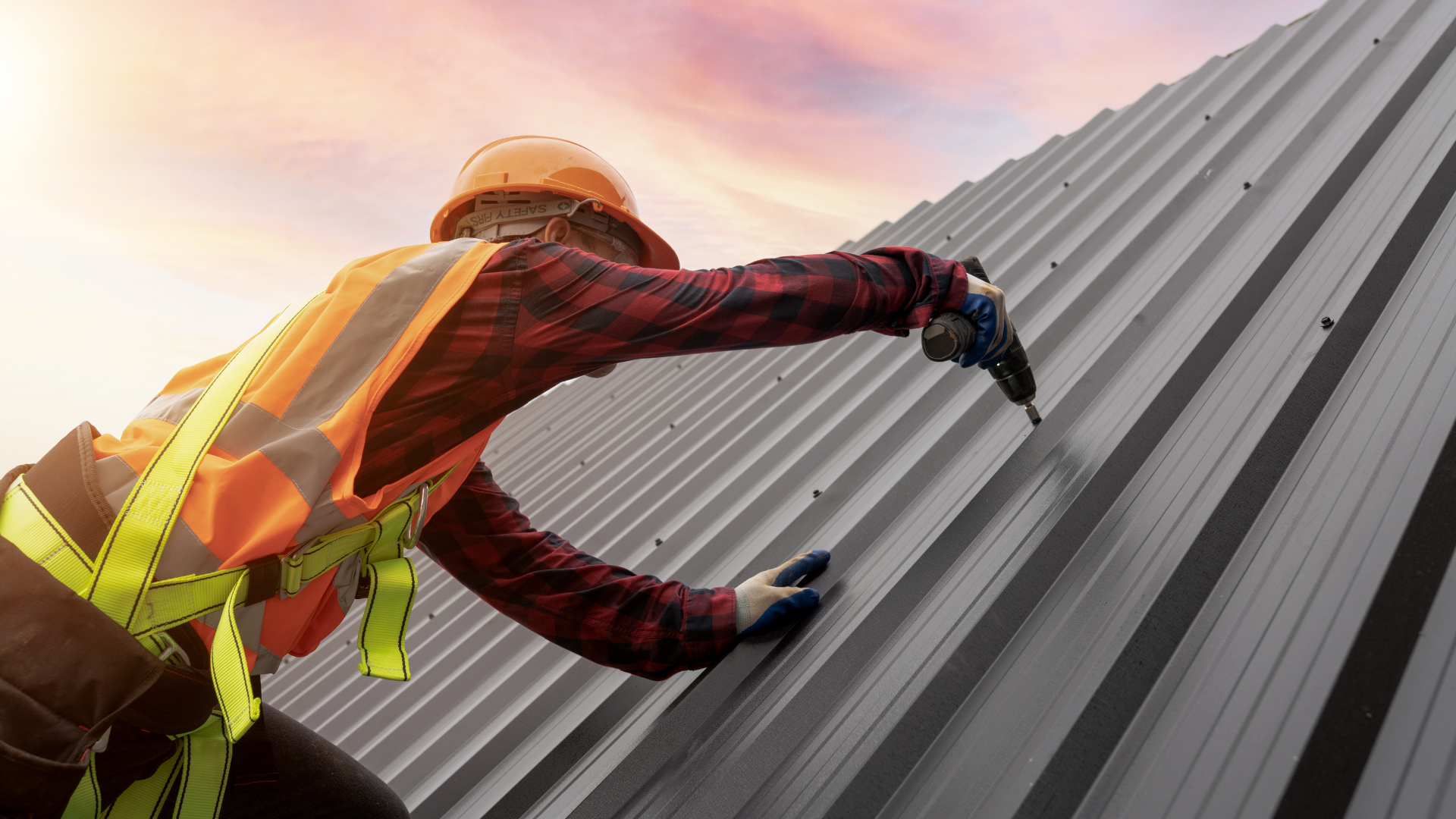
Gervais Brothers Roofing helps commercial property owners choose, install, and maintain reliable flat roofing systems, including TPO roofing systems and EPDM roofing installation. If you’re weighing your options in Greenwich, CT, we can help you make the right long-term decision.
Call Gervais Brothers Roofing at (203) 426-3001 to get expert advice and schedule a consultation today.
Frequently Asked Questions
Which lasts longer, TPO or EPDM roofing?
EPDM generally has a longer track record and can last 20–30 years when properly maintained. TPO is also durable but can vary depending on product quality and installation. Both systems perform well with regular inspections and maintenance.
Is TPO roofing better for energy efficiency?
Yes, TPO roofing is typically more energy efficient due to its reflective white surface. It helps reduce heat absorption, which can lower cooling costs in commercial buildings. This makes it a popular choice for energy-conscious property owners.
Can EPDM roofing be repaired easily?
Yes, EPDM roofing is relatively easy to repair using patch systems and adhesives. Many flat roofing specialists consider it one of the more repair-friendly membrane roofing systems. Regular maintenance helps extend its lifespan significantly.
What is the main difference between TPO and EPDM roofing?
The main difference is how they handle heat. TPO reflects sunlight, while EPDM absorbs it. This affects energy efficiency, temperature control, and overall building performance depending on your climate and needs.
When choosing between TPO vs EPDM roofing, the best decision depends on your building and long-term goals. For expert guidance tailored to your property in Greenwich, CT, Gervais Brothers Roofing is ready to help you move forward with confidence.