
Flat Roof Ponding Water Fixes in Newtown, CT | Gervais
Why Water Pools on Your Flat Roof and How to Fix It for Good
A flat roof is never meant to be perfectly flat. If you climb up after a storm and see puddles still sitting there 48 hours later, your roof has a ponding water problem, and it is not something to ignore. Standing water adds hundreds of pounds of extra weight to your structure, accelerates membrane breakdown, and works its way into every seam, fastener, and flashing detail it can find.
Many property owners try to patch the symptom instead of the cause, tossing sealant on a soft spot or cleaning a drain once and hoping it holds. But a puddle that keeps coming back after every rain is almost never a one-time fluke. It is a sign of a drainage or structural issue that will keep getting worse until it is properly diagnosed.
The good news is that ponding water is fixable. With the right combination of drainage correction, membrane repair or replacement, and protective coatings, your roof can shed water the way it was designed to, protecting your property here in Newtown, CT for decades to come.
The Core Causes of Ponding Water on a Flat Roof
Before jumping into fixes, it helps to understand why water collects on your roof instead of draining off. Ponding almost always comes down to a mix of insufficient slope, aging materials, and blocked or undersized drainage.
Insufficient Roof Slope
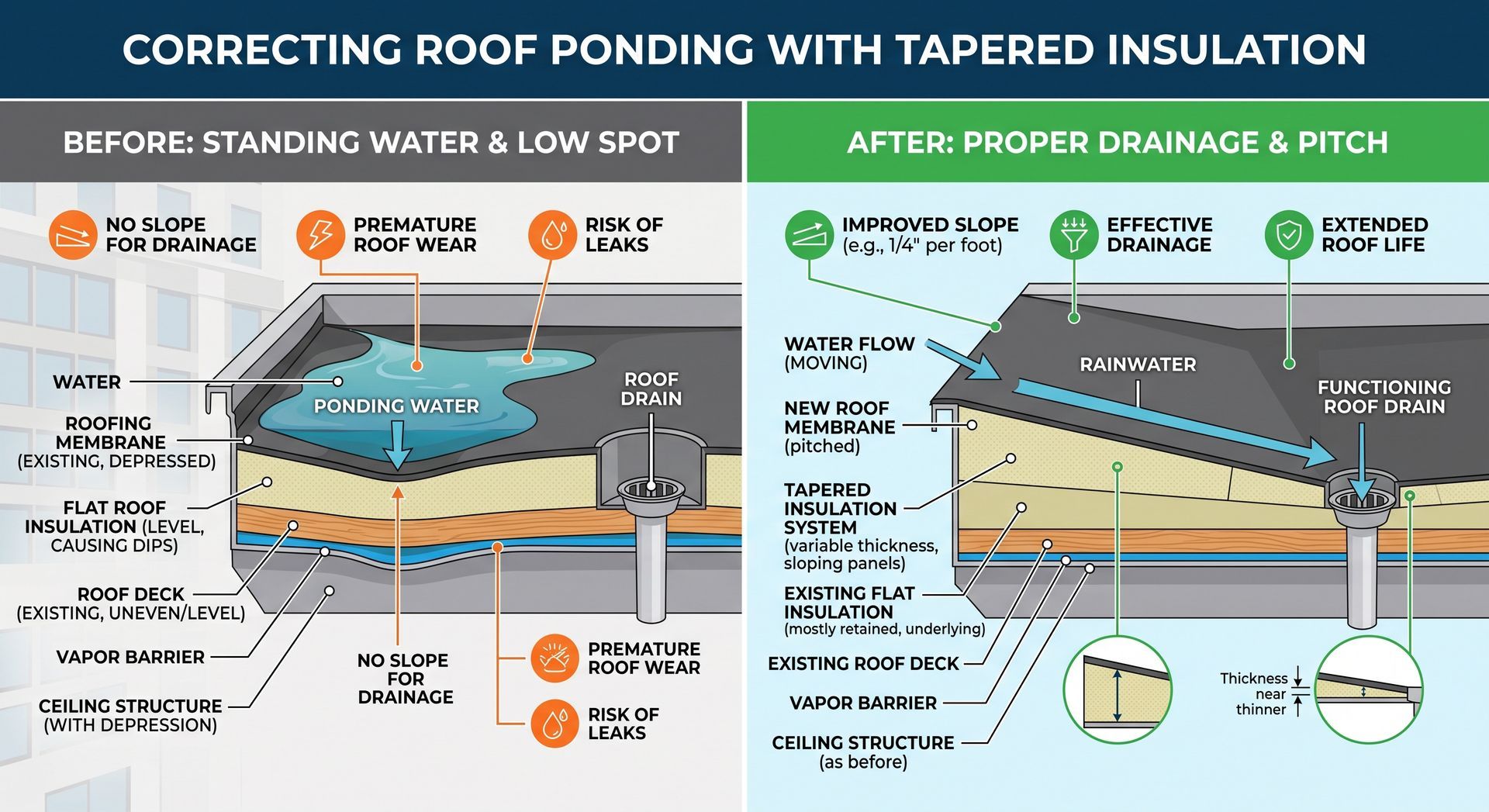
Flat roofs are built with a slight intentional pitch, usually a quarter inch per foot, to guide water toward drains. Over time, structural settling or an original design flaw can flatten that slope out, leaving low spots where water has nowhere to go but sit and wait to evaporate.
Membrane Sagging and Deterioration
As roofing membranes age, they can stretch, sag, or deck boards beneath them can sag from years of moisture exposure. Once a low spot forms in the membrane itself, every rainstorm reinforces the dip, and the standing water accelerates UV and freeze-thaw damage right at that same weak point.
Clogged or Undersized Drains and Scuppers
Leaves, granules from worn membrane, and general debris build up inside roof drains and scuppers faster than most owners realize. A drain that cannot move water fast enough during a heavy downpour will back up and pool, even on a roof with otherwise adequate slope.
Roofing Solutions for Ponding Water
Fixing a roof that holds water takes more than a bucket of sealant; it requires a plan that addresses both the surface and the structure underneath it. Professional roof assessment and installation corrects the drainage problem instead of just masking it.
Tapered Insulation and Re-Grading
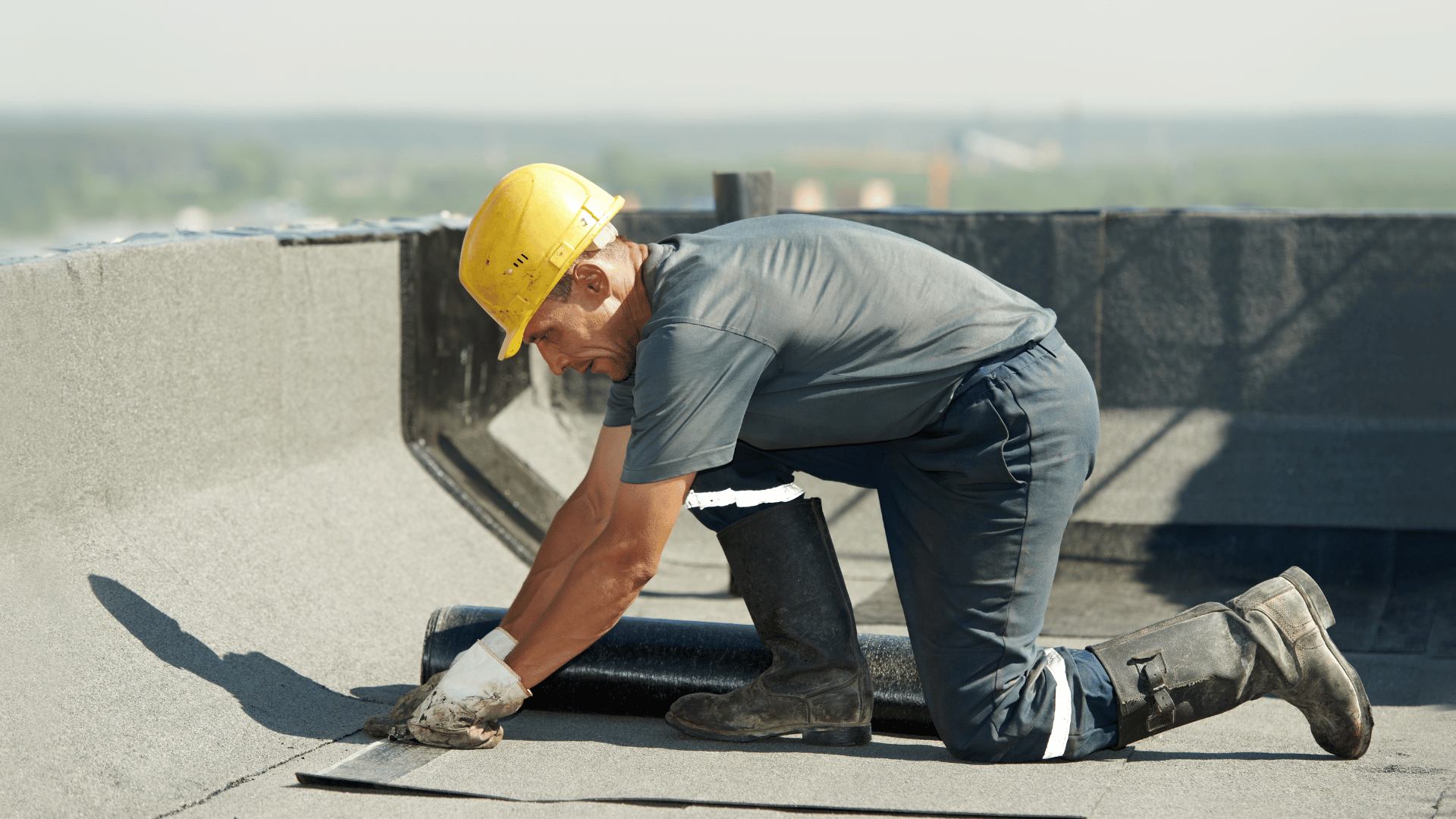
Installing a tapered insulation system rebuilds the slope of your roof so water is guided directly toward drains instead of settling in the middle of the field. This is often the most permanent fix for a low spot that keeps returning no matter how many times it is patched.
Roof Coatings for Ponding Protection
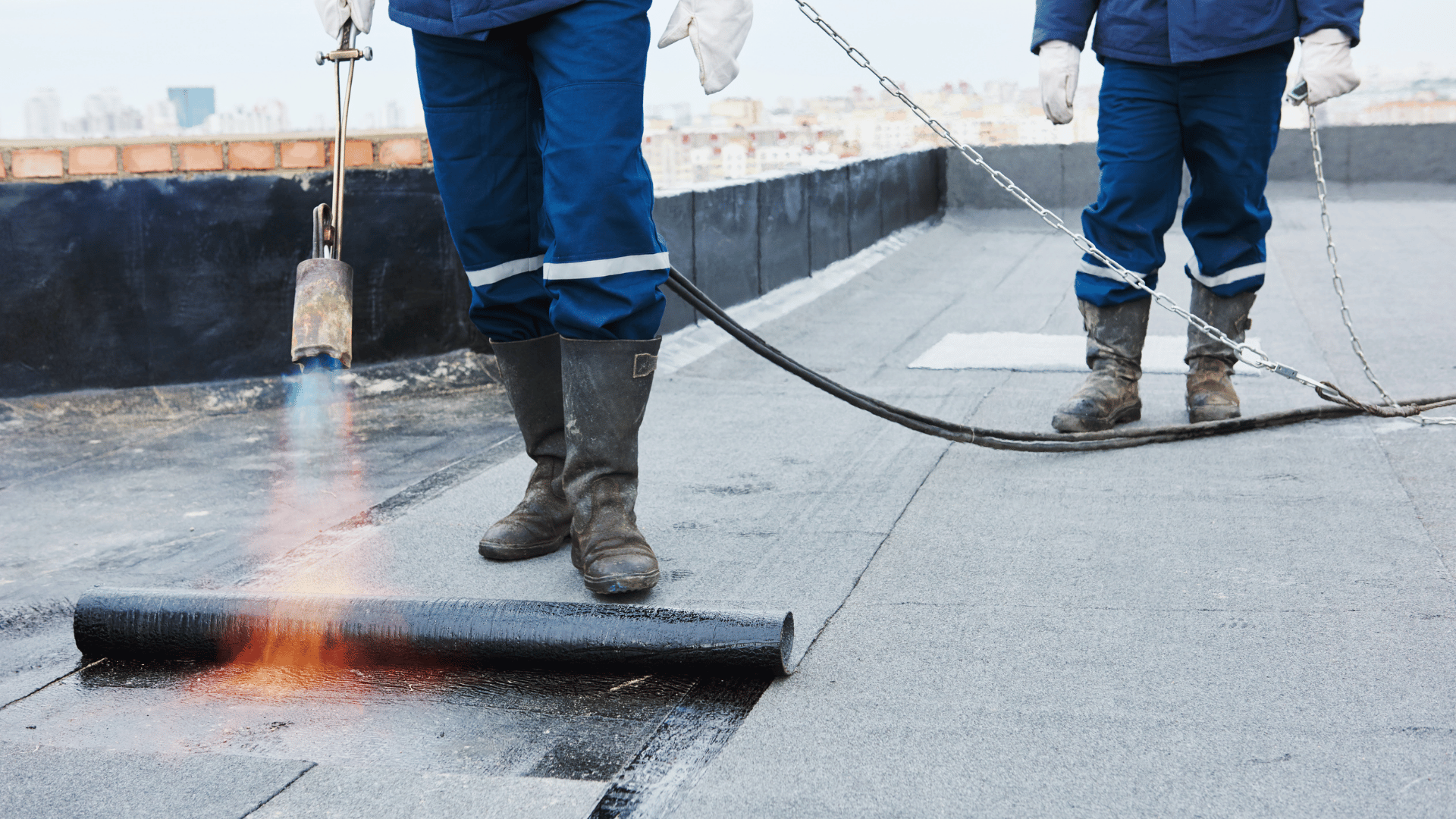
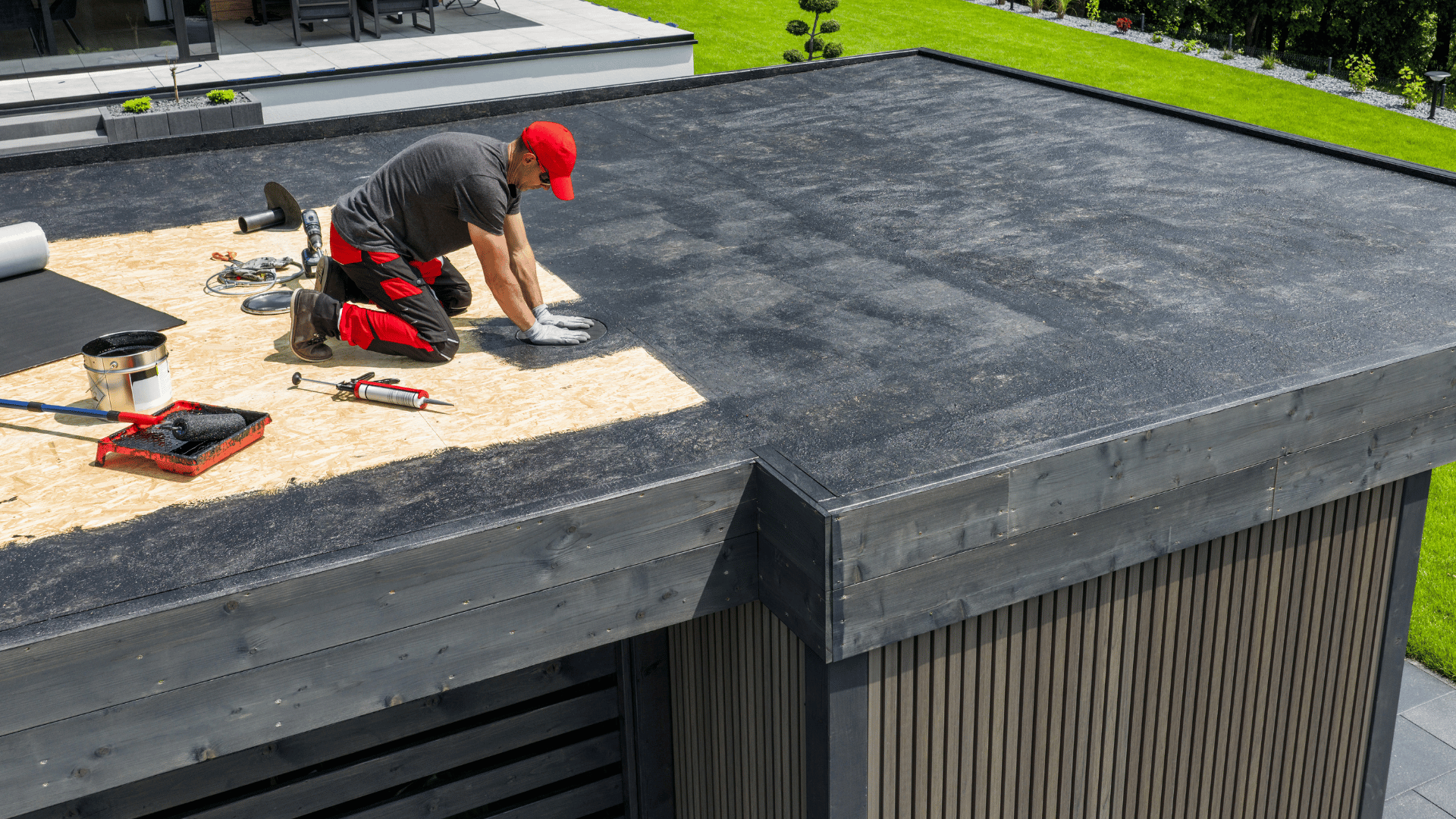
A properly applied acrylic roof coatings or silicone roof coatings system seals the membrane surface and adds a reflective, waterproof layer that resists the wear ponding water causes. Silicone coatings in particular are built to tolerate areas that see regular standing water without breaking down.
Membrane Repair or Full Re-Roofing
When the underlying membrane has aged past the point of coating, a full EPDM roofing installation or TPO roofing systems replacement resets the clock, giving you a new, properly sloped surface backed by a manufacturer warranty instead of a patchwork of old repairs.
Combining Waterproofing with Drainage Infrastructure
When surface repairs alone cannot keep up with the volume of water a roof sees, structural upgrades offer a permanent fix. These systems are designed to move water off your roof quickly, before it has a chance to sit and cause damage.
Flat Roof Waterproofing Systems
A dedicated flat roof waterproofing membrane creates a fully sealed barrier at seams, flashings, and penetrations, the exact spots where ponding water finds its way into a building. This is especially important around HVAC curbs, skylights, and parapet walls where standing water tends to collect.
H3: Drain and Scupper Upgrades
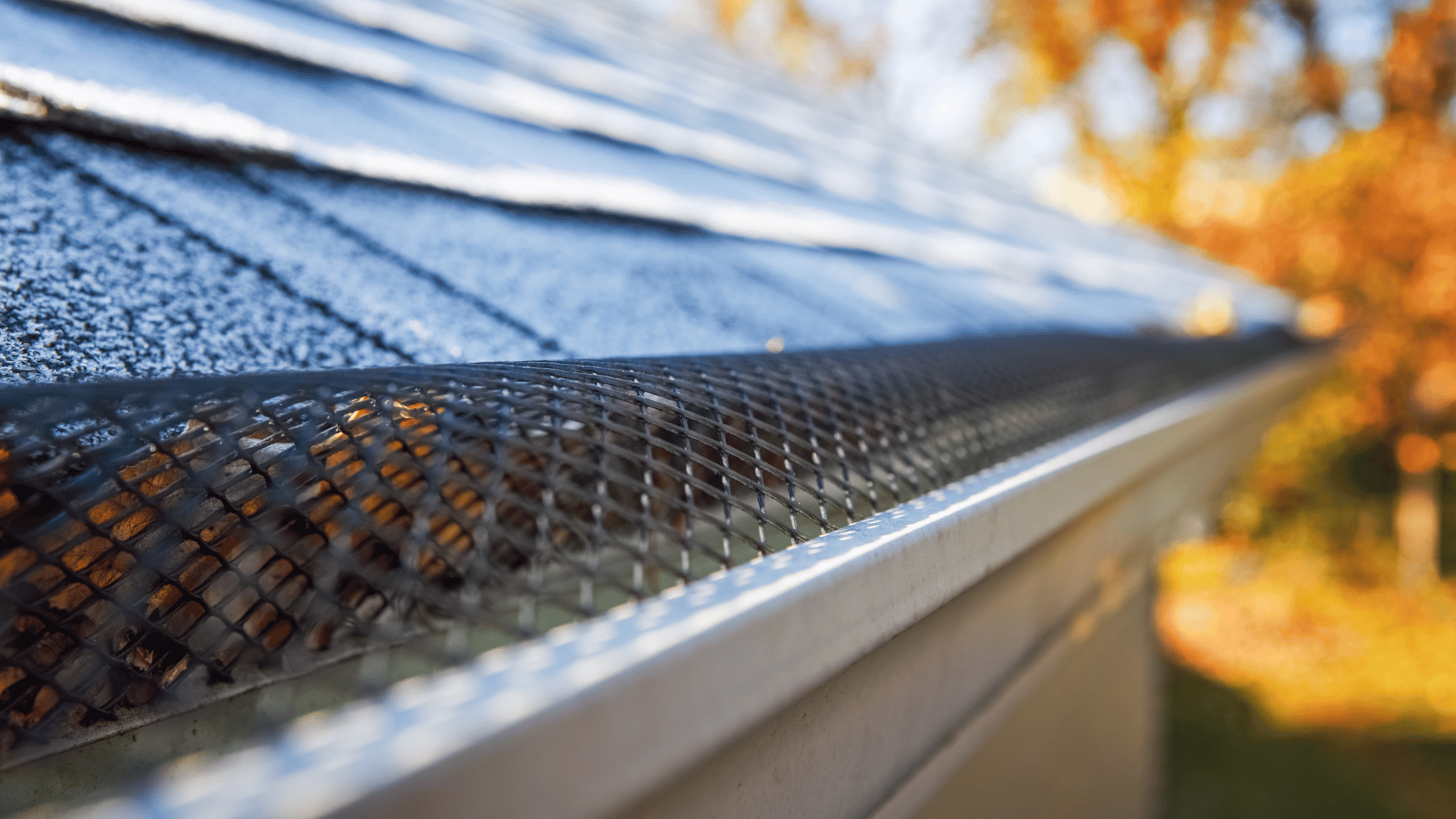
Enlarging undersized drains, adding secondary overflow scuppers, or installing additional drain points redistributes water flow so no single low spot is left carrying the full load of a storm. These upgrades work quietly beneath the surface while keeping your roofline looking clean.
Addressing Ponding Roofs in Newtown, CT
Properties throughout Newtown and the surrounding Fairfield County area, including Danbury, Bridgeport, and New Haven, deal with a real mix of heavy spring rain, summer downpours, and winter freeze-thaw cycles. Flat roofs on commercial buildings, additions, and garages are especially prone to ponding when they were not built with enough slope from the start. Solutions tailored to New England's weather swings keep your roof performing through every season, not just the dry ones.
Get a Custom Roofing Plan for Your Property
You do not have to live with puddles on your roof every time it rains. Gervais Brothers Roofing has been Newtown's trusted flat roof specialist for over 40 years, and we build drainage and waterproofing plans designed to eliminate ponding water for good. Call our team today at (203) 426-3001 to request a consultation and free quote.
Frequently Asked Questions
Is ponding water on a flat roof actually a serious problem?
Yes. Water that sits for more than 48 hours adds significant weight to the structure, speeds up membrane breakdown from UV and freeze-thaw cycling, and increases the risk of leaks at seams and penetrations. Left alone, it typically gets worse each season rather than better.
What is the fastest way to stop water from pooling on a flat roof?
For an immediate fix, clearing and enlarging drains or scuppers often relieves the worst of the pooling. For a lasting fix, tapered insulation or a full membrane replacement corrects the slope so water cannot collect there again.
Will a roof coating alone fix a ponding water problem?
A coating can add protection and buy time, but it will not correct a structural slope issue on its own. If the low spot is caused by sagging insulation or decking, a coating should be paired with tapered insulation or a re-roof for a permanent fix.
How often should a flat roof be inspected for drainage issues?
Most flat roofs benefit from a professional inspection twice a year, in spring and fall, plus a check after any major storm. Catching a small drainage issue early is far less costly than repairing water damage after it has spread into the deck or interior.
A flat roof that holds water will keep costing you money in repairs and shortened roof life until the underlying drainage issue is fixed. With the right mix of slope correction, membrane work, and waterproofing, your roof can go back to doing its job through every storm. Contact Gervais Brothers Roofing today to schedule your free consultation.